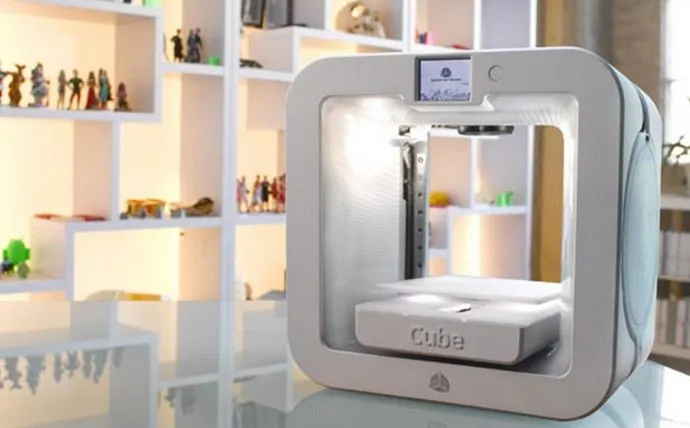
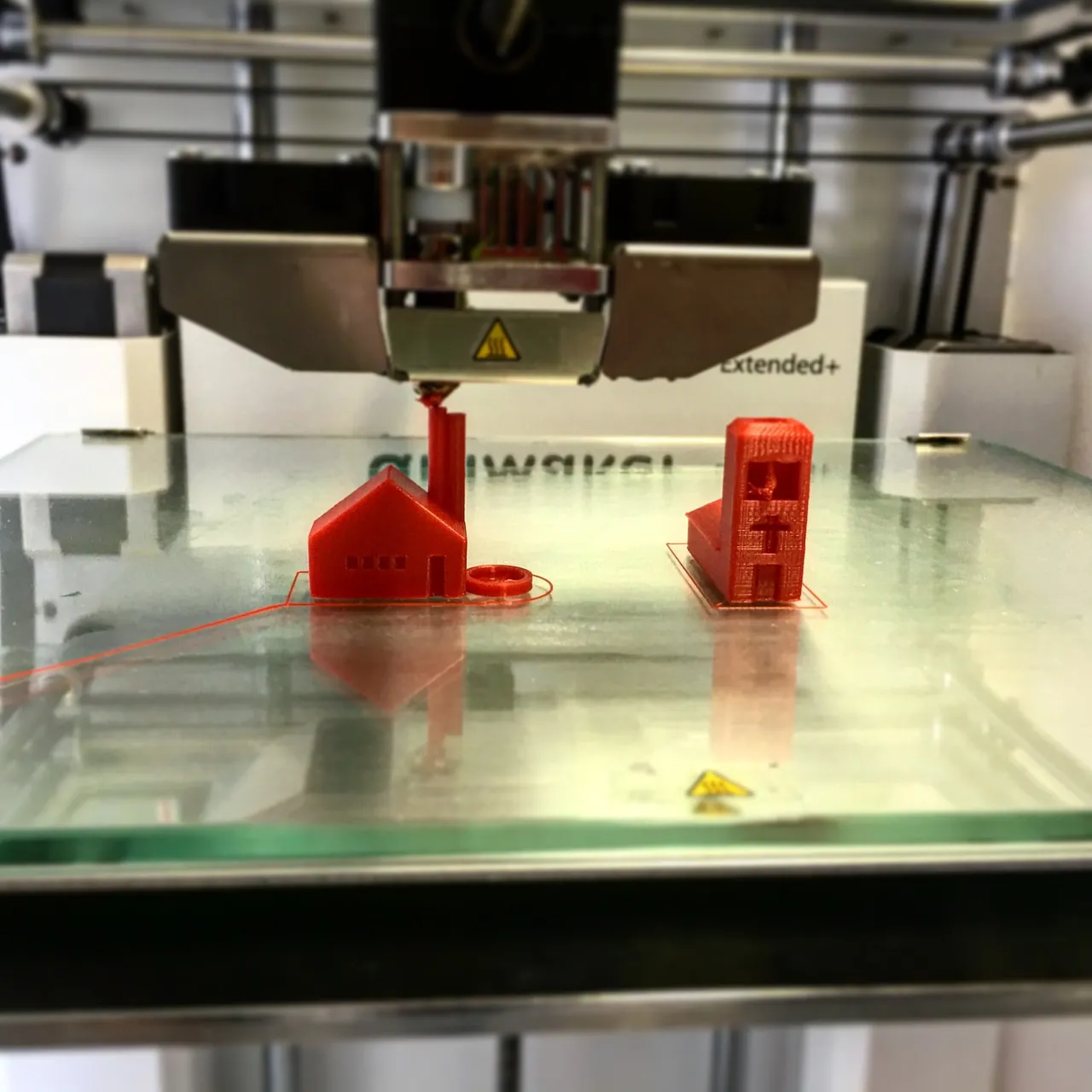
I never thought I’d get this excited about a machine that squirts melted plastic, but here we are. A 3D printer lets you turn ideas into physical objects right from your desk. And honestly? They’ve gotten way cheaper and easier to use than most people realize. You can grab a decent one for under $1,000 now.
If you’re an engineer or a maker, a printer can straight up pay for itself. You stop outsourcing materials and labor, and that money stays in your pocket.
That said, I won’t sugarcoat it. 3D printing still has a learning curve, even after weeks of tinkering. Your $2,000 printer will still spit out a failed print now and then. That’s just part of the deal.
Don’t let that put you off, though. When you own a home printer, you’re basically the factory floor and the repair crew rolled into one.
Calibration, firmware updates, nozzle cleaning, part swaps. It sounds like a lot when I list it out. In practice, it’s pretty manageable once you get into a rhythm.
And depending on how much you actually print, the upkeep barely takes any time.
Photo Gallery


What Can You Do with a 3D Printer?
Let me set some expectations up front. A 3D printer isn’t a Star Trek replicator. Not yet, anyway.
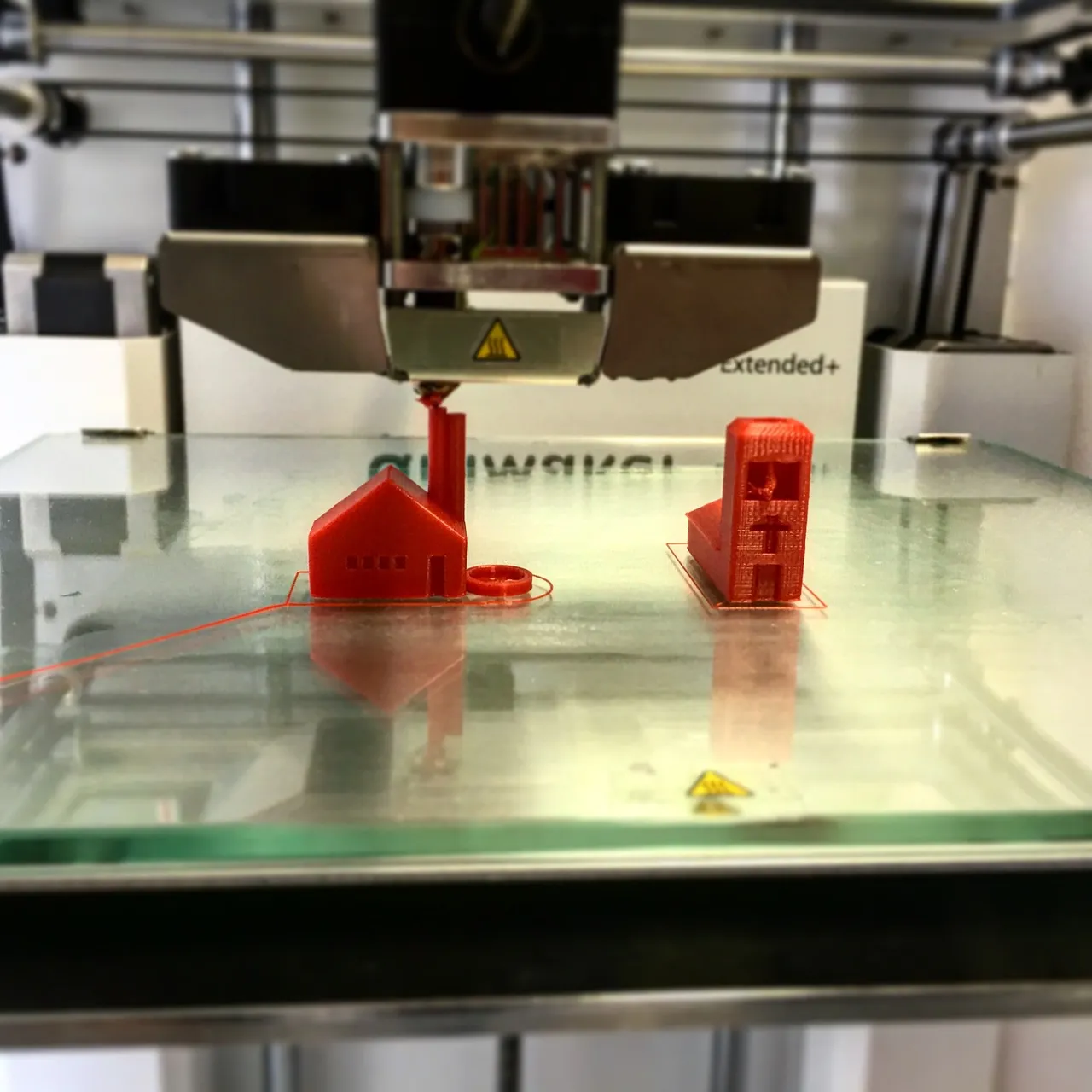
What you’re actually doing is building small objects out of plastic filament. Most home machines run one color at a time. That’s not a dealbreaker, but it gives you a realistic picture of what to expect.
So why bother? Well, beyond the fact that prices have dropped like crazy, the filament itself is cheap. We’re talking about half the cost of a regular ink cartridge.
Sure, pulling the trigger on a purchase might feel intimidating. But stick with me. Here are several solid reasons a 3D printer will save you money, time, and more headaches than you’d think.
1. Save Money on Materials
More and more people are ditching store-bought stuff and printing their own. The numbers back it up too. You can realistically save up to $2,000 a year just by printing materials instead of ordering them.
That covers everything from household items to random replacement parts. No shipping fees. No two-day wait. No driving to three stores looking for one specific thing.
Broke a drawer knob? Lost the lid to a container? Instead of ordering a replacement and waiting around, print one yourself in a couple hours.
You don’t need special tools or some complicated setup. Honestly, printing a part is almost as simple as printing a document on paper.
The printer’s ready whenever you are. No appointments, no minimum orders. You just cut out the middleman entirely.
2. Save Money on Labor
Think about everything you’d normally pay someone else to make. Your printer handles most of it. No fuel costs, no shipping charges, no delivery windows. You control the whole process from the design file to the finished piece sitting on your desk.
Now, custom parts do require modeling software. If you’ve never opened a CAD program before, that’s where I’d start. It takes real practice to get comfortable designing from scratch, but it’s a skill that keeps paying off.
Here’s the fun part. You can actually make money doing this. Print products for people shopping online, sell custom designs, whatever works. The better you get, the more doors open up.
One thing to keep in mind, though. Higher quality prints need a higher quality machine. Budget printers have their limits, and you might find yourself upgrading sooner than expected.
Also factor in your time. Designing, printing, sanding, finishing. Those hours add up, and they should figure into whether this path makes financial sense for you.
3. Parts Replacement and Maintenance
Something breaks. Annoying, right? But what’s even worse is spending 45 minutes trying to find the exact replacement part, only to discover it costs $30 for a piece of plastic that probably costs 12 cents to manufacture.
Companies know this. They make replacement parts hard to source and overpriced on purpose. Most people just throw the broken thing away before they ever find the part. I’ve done it. You probably have too.
With a 3D printer and some basic design skills, you can find templates for almost any part through online communities or your own network. People are printing replacement parts for everything now, including cars. And it’s often cheaper and faster than calling a specialist.
Makers and home printers are constantly finding smarter fixes for everyday annoyances. Every print can serve a real function.
Patching a broken blender blade guard. Replacing a snapped jewelry clasp. Prototyping something completely new. For replacement parts that need to take real abuse, using the strongest filament available makes sure they actually hold up. That freedom to just make whatever you need, on your own schedule, is honestly one of the best parts of owning a printer.
4. Print Personalized Stuff
This is where it gets really fun. When you print your own stuff, everything can be personalized. Phone case with your logo? Five minutes in a design program and you’re printing it. Custom shoe insoles shaped to your exact feet? Yep, that’s a thing now.
It goes way beyond novelty, too. Doctors are using 3D printers to create perfectly fitted prosthetic limbs. Our article on 5 jaw-dropping things made with a 3D printer features a dog who received prosthetic legs, printed from scratch. And these services are actually affordable.
What I love most is that you’re never stuck with someone else’s template. Grab a basic box design and reshape it into whatever you want. Change the dimensions, add compartments, bolt it onto something else entirely.
Your printer gives you real creative freedom. Depending on what your machine can handle, you’ve basically got a mini factory that builds whatever you can dream up.
5. 3D Printing Can Promote Engineering in Your Home
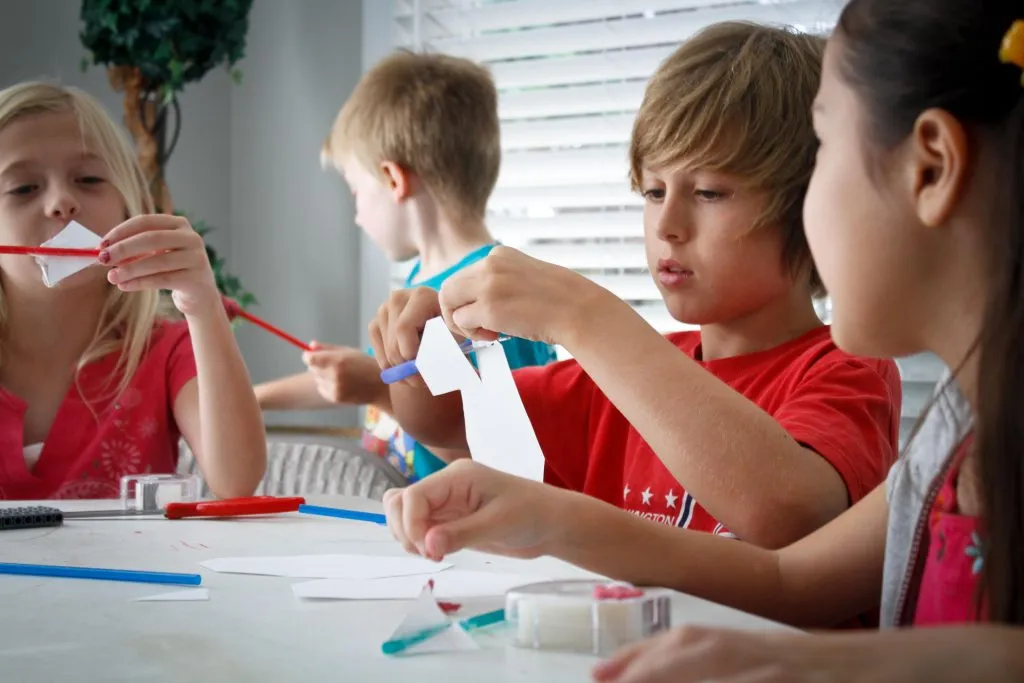
Parents, teachers, counselors, listen up. A 3D printer doubles as one of the best teaching tools you can put in front of a kid. They get to dream something up and then hold it in their hands an hour later. Try getting that reaction from a worksheet.
You don’t even need to be a parent for this. Any kid who’s curious about tech or science will light up watching their model come off the print bed. It adds a physical, tangible layer to learning that books alone just can’t deliver.
Print out a hard-to-explain concept. Make a tool for them to tinker with during free time. That kind of hands-on exploration builds discipline and confidence in ways that surprise you.
For older kids, the real magic is watching them design something entirely on their own. When a twelve-year-old sees their idea go from a screen to a real object they can pick up and show people, that pride sticks with them.
6. 3D Printing Can Also Promote Bonding Time
Here’s one I didn’t expect when I first got my printer. It’s genuinely good for family bonding. Make masks for a school play. Print dress-up accessories. Create custom pieces for scrapbooks or family photo projects.
There’s a project for everyone, and the process of building something together is where the real quality time happens. People naturally fall into roles. One person picks the design, another watches the print, someone else handles the cleanup.
We all spend way too much time staring at separate screens. A 3D printer is a surprisingly effective way to get everyone around the same table working on the same thing. And you can build family nights around it for years.
It doesn’t have to be about making money, either. Printing can just be a hobby your family does together. Figuring out the software as a team, troubleshooting problems when they pop up, it builds real teamwork without anyone feeling lectured.
When the nozzle jams at 9pm on a Tuesday, you’ve got your whole crew to help figure it out. That’s honestly kind of great.
7. Save On Home Goods, Decorations and Gifts
Need picture frames for the den? A planter for the porch? The possibilities for home goods are basically endless, and you can tweak every single design to match your taste. All without spending a fortune.
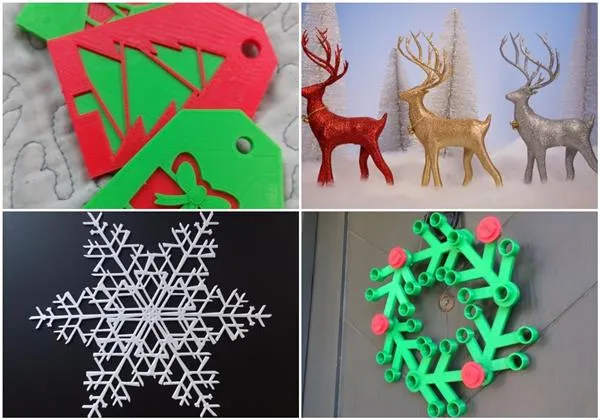
Redecorating stops being this big expensive project when you can just model and print stuff on demand. Birthday decorations, holiday ornaments, party favors. It all becomes almost as easy as hitting “print” on a Word doc.
And there’s something deeply satisfying about handing someone a gift you actually made. Not bought. Made. It carries more weight because you put the time in.
A custom toy for your nephew or a monogrammed luggage tag for a friend just hits different when they know you designed and printed it yourself.
Learning Your 3D Printer
For at-home inventors, 3D printing changes everything. Getting a prototype made professionally? That can cost thousands. Printing one yourself? A few dollars in filament and a couple hours of your time.
Spend some time learning the basics of 3D modeling. Experiment with different materials, techniques, and templates. The more you mess around, the more uses you’ll find for your printer. I’m still discovering new ones after years.
Just remember: this is real machinery, not a toy. Here are some dos and don’ts I wish someone had told me earlier:
- Don’t skip your research. Every printer model has its quirks. Learn how yours works so you’re not Googling error codes at midnight with a half-finished print stuck to the bed.
- Do join the community. Forums, Reddit, Facebook groups. Other makers are incredibly helpful, and you’ll solve problems in minutes that would’ve taken you hours alone.
- Don’t go big right away. Start with small, simple prints. Get a feel for how your machine behaves. Once the basics click, then go ahead and tackle that life-size bust of your cat.
- Do actually read the manual. I know. Nobody reads manuals. But yours might have printer-specific info you won’t find anywhere else. If you get stuck, the internet has your back.
- Don’t blow off safety. Some parts get extremely hot, and certain filaments release fumes you don’t want to breathe. Always print in a ventilated space and know what materials you’re working with. And if you’re printing anything for the kitchen, check which filaments are actually food safe before you use them.
Getting familiar with your printer keeps you on the leading edge of tech, and honestly, it might spark your next big idea. Professional designers use expensive industrial machines for prototypes, but a home printer can get you to the same place for a fraction of the cost.
There’s a learning curve. No question about it. But don’t get discouraged if your first few prints look rough. As you practice, you start seeing creative solutions to problems you didn’t even realize you had.
Working with your own designs gives you a whole new appreciation for where this technology is headed.
Now, high-end 3D printers aren’t cheap. And they’re not casual purchases. But for a small business that needs rapid prototyping, a printer pays for itself fast.
If you can’t come up with a strong reason not to buy one, just go for it. A home 3D printer lets you take a concept from screen to physical object with real materials and reliable results.
Toys, trinkets, storage solutions, replacement parts. The list keeps growing. Filament costs stay comparable to regular ink cartridges, and you might even find ways to recycle your scraps.
Not ready to commit? Services like Shapeways let you upload a design and they’ll print and ship it to your door. Some local shops also have printers you can rent by the hour.
The resources out there for learning and access keep multiplying as more people get into the hobby.
I should be honest about the downsides, though. A lot of printers are still frustrating for casual users. The interfaces aren’t always intuitive, and troubleshooting can eat up an entire afternoon.
Very few machines truly work right out of the box. Setup is getting better across the board, but it can still make you question your life choices halfway through the calibration process.
If you’re already comfortable with the tech side, start shopping for a printer that fits your specific needs. Our beginner’s guide to getting started with 3D printers walks you through the whole setup process. I’m not trying to scare anyone off here.
But the honest truth? If you don’t have the time, patience, or budget to maintain your own machine, a 3D printing service might be the better call for big or complex jobs. Paying a pro can sometimes cost less than the trial and error of doing it yourself.
The market for printing services keeps expanding. But as the technology improves and prices keep falling, the math starts shifting in favor of owning your own machine.
For now though, a printing service is probably the smarter move for most people.
Is Owning a 3D Printer Really Worth the Time, Effort and Money?
In a perfect world, every household would have a 3D printer churning out sustainable, custom-made products. We’re not there yet. But owning one has gone from “niche hobby” to “genuinely useful” faster than most people expected.
They’re not cheap. Prints take longer than you’d think. And yes, there’s a real learning curve. Even with all that, buying one is a solid investment if you’re the type of person who likes making things.
Here’s something that always happens with new tech: communities pop up around it. Find online meetups, forums, and groups where people swap designs, compare printers, and walk newcomers through the rough patches. You’ll learn faster with other people in your corner.
3D printing isn’t science fiction. It’s a real tool with real limitations, and every single person who’s used a printer for the first time has made the same rookie mistakes. Our list of 10 3D printing tricks you should know will help you skip the worst of them.
Manufacturers love marketing “one-touch” simplicity, but the reality is messier. 3D printers probably won’t ever be as common as paper printers. But for makers and creators, they’re becoming hard to live without.
Bottom line: owning a 3D printer takes real effort. But the payoff is worth it. You’re not buying a gadget. You’re investing in a technology that’s only going to get better, cheaper, and more useful as time goes on.